Getting invisible braces is becoming more popular lately. Many dental patients are choosing them over traditional metal braces. You may already be considering this orthodontic treatment. It is important to know everything that you can before you commit to this treatment. If you want to talk to your dentist about invisible braces, here are four questions to consider.
1.Are invisible braces effective for everyone?
The effectiveness of invisible braces depends on the orthodontic case. These braces can treat mild to moderate orthodontic cases. This teeth-straightening system’s success depends on the patient’s discipline in maintaining and wearing the braces the right way. Invisible aligners are only for those who can commit to wearing them for long hours.
Patients must wear the invisible aligners for about 22 hours every day. This will straighten the patient’s teeth in time. Patients can only remove the aligners during eating, brushing teeth, or playing sports. The aligners must be back on after these activities. Those who cannot wear the invisible braces for this long will have to wear them for a longer time. Patients must wear retainers to ensure the effectiveness of the braces.
2.How do invisible braces work?
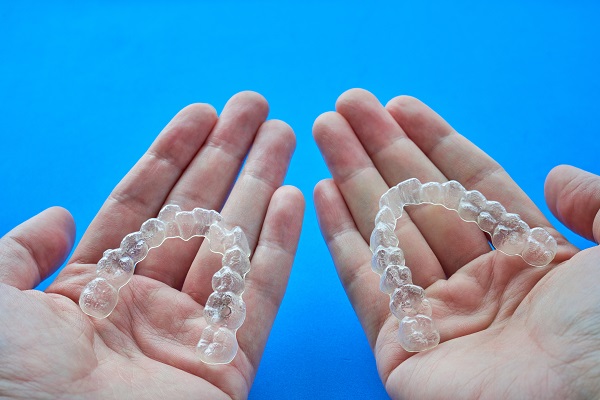
Invisible aligners are custom-fit plastic trays. Each pair of trays applies pressure on the patient’s teeth. The teeth-straightening process is slow but efficient. The trays move the teeth into their proper position.
These invisible trays can correct issues like dental spacing or overcrowding. The braces cannot change the patient’s jaw alignment or improve bite issues. Invisible aligners function in different stages. The patient receives a series of trays that must be put on according to schedule. Missing the right schedule will lengthen the treatment period.
Dental checks are few with these trays. Most of the work depends on the dedication of the patient. The dentist’s role is to give the aligners and perform professional dental cleaning each time the patient visits. The dentist also needs to see how well the patient is responding to the aligners.
3.Have these braces been helping patients for a long time?
The technology behind these braces is not new at all. Back in 1945, it was not as feasible, but it was possible. The dentists needed to create the trays by hand. This was only possible by taking new dental impressions during every dental visit. In 1998, Align Technology, Inc. started a software program to produce invisible braces by digital means. This started the manufacturing process for all invisible aligners today.
4.What are the materials making up these braces?
Different companies use different materials for making the aligners. Invisible trays are made from thermoplastics. These are moldable at high temperatures. Other materials in these invisible aligners are polypropylene and TPU (thermoplastic polyurethane). Invisible braces without parabens, BPA, and phthalates are optimal.
Getting invisible braces is a good decision if you are ready for the commitment
Unlike metal braces, invisible aligners are more discreet and less tedious. Dental patients perform the adjustments. They do so by changing aligners according to schedule. Commitment is a true requirement for this teeth-straightening system. An appointment with your dentist will determine if you are qualified for invisible braces.
Are you considering getting invisible braces in the San Antonio area? Get more information at https://www.ucsmilesortho.com.
Check out what others are saying about our dental services on Yelp: ClearCorrect Braces in San Antonio, TX.
Related Posts
Clear aligners provide a discreet, removable way to straighten teeth, but early habits often determine how smoothly treatment progresses. The first few weeks typically involve learning to wear the aligners consistently, adapting to new routines, and keeping them clean. With the right plan, most beginners settle into aligner life quickly and see steady improvements. These…
Early orthodontic treatment is not as common as traditional orthodontic treatment, like braces for adult teeth usually worn during the adolescent years. However, early orthodontic treatment is often vital for addressing early oral cavity issues. Whether teeth are protruding excessively or baby teeth are lost before the age of five, early orthodontic treatment can appropriately address…
An orthodontist has various treatments to help patients achieve a straighter smile. While it is possible to get orthodontic treatment from other dental providers or even online, choosing a specialist like an orthodontist to guide your treatment can be the safest, quickest, and most comfortable route. Understanding why orthodontist-led treatments are the preferred choice for…
Traditional metal braces remain a dependable choice for individuals seeking lasting orthodontic results. Known for their strength and precision, traditional metal braces deliver consistent tooth movement and remain a go-to option for both teens and adults. For those considering orthodontic treatment, it helps to understand what makes this system so effective and why it remains…