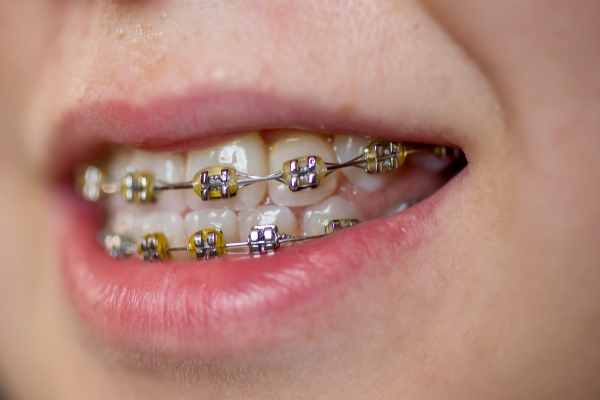
If you are told your child needs braces, but you do not like the idea of traditional metal braces, you might consider ceramic braces as another option. To help determine if these are the right option for your child, we have compiled a list of frequently asked questions about alternative ceramic braces.
How are braces made of ceramic different from traditional braces?
One of the main reasons why kids do not like wearing traditional braces is because they are made of metal, metal that easily stands out every time they open their mouths to smile or talk to someone. Not just the brackets but the wires and other components are all metal, and this can be a major source of stress and grief for young kids and teenagers.
Using ceramic instead makes it easier to mask the braces. Kids will still need the brackets and wires, but making them out of ceramic allows them to be colored to blend in better with the teeth to hide them, or the patient can choose to tint the wires fun colors to embrace having braces, but at least make it look sort of fun in the process. This can remove some of the social stigma that children are worried about. It will not solve all the problems that kids have with braces, but it can certainly help when other options are not available.
Is anyone eligible for ceramic braces?
There are a few minor differences in the way that these braces fit. This means that not every child may be a good fit for them.
For instance, if a child needs top and bottom braces, but the top teeth press or rub against the bottom teeth, then ceramic cannot be used on the bottom teeth for durability and comfort reasons.
Similarly, because ceramic is less durable than metal, there is a higher failure rate for braces made of ceramic. Still, your dentist will let you know whether your child is eligible and the failure rate for your child’s situation.
How effective are they?
Though ceramic is less durable than metal, when it comes to fixing your child’s alignment issues, they are just as effective as metal braces. This means that even if they have severe alignment issues, they can still get braces made from ceramic. Other alignment straightening options only work on mild to moderate issues, which means not every child will be eligible for them. Still, braces using ceramic are great for any level of correction.
What do they cost?
The exact cost will vary by patient, but ceramic braces cost, on average, around 15% more than traditional metal braces. This can add up to around $1,000 more for an average set. They may also need to be repaired more often due to the lower durability of ceramic versus metal. However, for the value they add to your child’s self-confidence and self-esteem by wearing braces made from ceramic, many parents feel it is worth the small increase in the cost over time.
Reach out for more information
Ceramic braces may be the right choice for your child. There are many considerations to keep in mind as you work toward the best solution for your child's dental health. Talk with your child’s pediatric dentist today and see if this is the right option for them.
Request an appointment here: https://www.ucsmilesortho.com or call UC Smiles Orthodontics at (210) 593-7623 for an appointment in our Universal City office.
Check out what others are saying about our services on Yelp: Read our Yelp reviews.
Related Posts
If your child has misalignments or crooked teeth, you may be wondering what the options are. A pediatric orthodontist can answer all your questions and recommend the right treatment plan. You may have a lot of questions before diving into orthodontic treatment, and there are certain ones that you should ask at the consultation. A pediatric…
Is your child in need of orthodontic treatment? Choosing the right braces for teens involves balancing their comfort, appearance during treatment, and effectiveness during a critical stage of dental development. There are several options available, each designed to address alignment and bite concerns distinctly.The adolescent years are often ideal for orthodontic treatment because the jaw…
Having an orthodontist treat your teeth can be a long and sometimes difficult journey, but seeing the result of a perfect smile is worth it. But after your braces are removed, it is important to remember that your teeth care does not end there. To ensure that your new smile stays healthy and beautiful, a…
Space maintainers are oral appliances primarily used on children to hold the space of baby teeth that fall out prematurely. There are a number of things that can lead to a child’s tooth falling out prematurely, like genetics, trauma, or tooth decay.Losing a baby tooth prematurely can have serious consequences. Milk teeth serve an important…